Buying original art is a personal investment, but without practical knowledge of the UK market, collectors often overpay, purchase fakes, or end up with work they later regret. This guide covers everything you need to know about buying original art in the UK during 2026, from understanding price points and authentication methods to navigating galleries, auction houses, and emerging platforms. Whether you're spending £500 on a debut artist or £50,000 on an established name, the fundamentals stay the same: research, authenticity verification, and understanding the true cost of ownership.
Understanding Original Art Prices in the UK Market
The UK art market in 2026 spans a huge price range, and understanding what you're actually paying for is essential. Original art isn't just about the materials or time spent—it's about provenance, artist reputation, medium, size, and the artist's exhibition history.
Entry-level original art from emerging UK artists typically ranges from £300 to £2,000. These are often graduates from major art schools (Royal Academy, Chelsea, Goldsmiths, Slade) or artists featured in grassroots exhibitions. A framed oil painting or acrylic canvas from a debut artist at a London gallery show might cost £800–£1,500. Prints are cheaper (£50–£300), but they are not original art—they are reproductions.
Mid-market original works (£2,000–£15,000) come from artists with 5–15 years of exhibition history, gallery representation, and a measurable sales record. A mixed-media piece or oil painting from an established but not yet famous artist in a commercial gallery often sits in the £4,000–£8,000 bracket. Regional galleries outside London tend to price 20–30% lower than their Mayfair or Soho equivalents.
High-end work from recognised British artists (£15,000–£100,000+) includes those shown in major public galleries, with auction house history, or significant critical acclaim. Artist representation matters enormously here. An artist represented by a major London gallery (White Cube, Gagosian, Lisson) commands a premium. As of 2026, Banksy pieces sell for £50,000–£500,000+, and historical British painters (Hepworth, Nicholson) fetch well into six figures.
Where to Buy Original Art in the UK
Your source matters as much as your budget. Each channel carries different risks, price markups, and authenticity guarantees.
Commercial Art Galleries
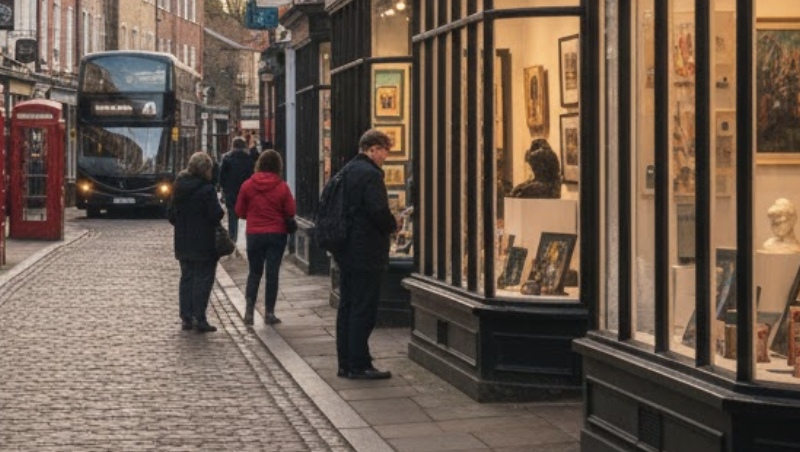
Commercial galleries in London (Mayfair, Soho, Shoreditch, Bethnal Green) and regional centres (Manchester, Birmingham, Bristol, Edinburgh) are the traditional route. Expect a 40–60% markup on the artist's actual take-home price—this covers rent, insurance, staff, and profit. That £5,000 painting might have cost the artist £2,000–£3,000 to produce and sell for £2,500 wholesale; the gallery sells it for £5,000.
Galleries offer authenticity guarantees (most provide certificates of authenticity), expert knowledge, and a relationship you can return to. The downsides: you pay a steep premium, and the gallery's taste heavily influences what's available. Use gallery listings on sites like Artsy, Saatchi Art (UK-focused), or AskART to research galleries and artists before visiting.
Art Fairs and Open Studios
UK art fairs like Frieze London, Affordable Art Fair, and regional art fairs offer thousands of works and direct artist contact. Prices are often 10–20% lower than gallery retail because costs are temporary. Open studio events in areas like Hackney, Peckham, and Bristol let you buy directly from artists, cutting out the middleman entirely and potentially saving 30–50%. The catch: no institutional curation, so quality varies wildly. Always ask for the artist's CV, exhibition history, and verify their credentials before committing to a purchase.
Online Platforms
Saatchi Art, Artsy, Singulart, and emerging platforms like Sedition sell original work online. Prices range from £200 to £20,000+, and most offer authentication and money-back guarantees within 14–30 days. You browse at home, see thousands of artists, and often negotiate directly. The downsides: you cannot see the work in person before buying, shipping costs £100–£500+ depending on size, and the return process can be slow.
Auction Houses
Sotheby's, Christie's, and Bonhams dominate the high end, but regional auction houses (Dreweatts, Woolley & Wallis) sell original work from £500 upwards. Auctions are unpredictable—you might snag a bargain or overpay in a bidding war. Always research comparable sales (ask the auction house for past results) and set a strict maximum bid. Factor in the buyer's premium (typically 25% of the hammer price for works under £5,000, declining above that) before bidding.
How to Authenticate Original Art and Avoid Fakes
Art fraud in the UK costs buyers millions annually. The gap between a genuine work and a forgery can be thousands of pounds—and emotionally, it's devastating.
Request Provenance Documentation
Every original artwork should come with a certificate of authenticity, artist signature, and ideally a documented ownership history (provenance). For contemporary work, this might be a simple signed and dated label from the artist or gallery. For anything over £5,000, demand detailed provenance: previous owners, exhibition history, any published references. If the seller cannot provide this, walk away.
Physical Inspection
Look for the artist's signature and date. Check the back of the canvas or frame—original paintings often have stamps, labels, or notes from galleries where they've been exhibited. For prints and multiples, verify the edition number (e.g., "3/50" means this is number 3 of 50 signed prints—not an original). Ask the seller how they acquired the work. Hesitation or vague answers are red flags.
Expert Verification
For works over £3,000, spend £200–£400 on a verbal appraisal from a qualified art valuer (find them via the RICS or the British Art Market Federation). For high-value pieces or works by deceased artists, consider scientific authentication: X-ray fluorescence (XRF) testing or infrared reflectography can detect old forgeries. The Art Loss Register (a London-based charity) maintains a database of stolen and looted art—search any significant purchase here before finalising the deal.
Artist Verification
Search the artist's official website, Instagram, or the gallery's records. Established artists often have catalogues raisonnés (detailed lists of all their works). Cross-reference the work's title, date, and dimensions. Contact the artist or their estate directly if unsure. For living artists, most are happy to confirm authenticity if you provide images and details.
Key Factors That Affect Original Art Prices
Art pricing is subjective but follows observable patterns. Understanding these helps you judge whether a price is fair.
- Artist reputation and exhibition history: Solo shows at major galleries, museum acquisitions, and auction house sales all increase value significantly. An artist with ten years of consistent gallery representation commands 5–10 times the price of an emerging graduate.
- Medium: Oil and acrylic paintings typically cost more than works on paper. Sculpture and installations are often pricier due to materials and technical demands. A large oil on canvas might fetch £5,000; the same composition as a drawing might be £800.
- Size: Larger works cost more to produce and exhibit, so they command higher prices. A 150cm × 150cm painting costs 2–3 times more than a 50cm × 50cm piece by the same artist, though not always proportionally.
- Condition: Damage, restoration, or fading reduce value by 20–50%. Always ask about condition and request detailed images before buying online.
- Provenance and ownership history: Work with clear, prestigious ownership history sells for 10–30% premiums. "Bought directly from the artist's studio in 1995" is good; "unknown origin" is a discount factor.
- Geographic location of the gallery: London galleries charge 30–40% premiums over equivalent work in Manchester, Bristol, or Edinburgh. Mayfair costs more than Shoreditch; Shoreditch costs more than outer zones.
- Current art market trends: In 2026, original photography, digital art, and sustainable or socially conscious work are gaining value. Traditional figurative painting and landscapes, while still purchased, are less fashionable and often discounted.
Insurance and Ownership Costs
Buying the artwork is only the beginning. Most collectors underestimate the ongoing costs of ownership.
Insurance is essential and typically costs 0.3–1% of the artwork's value annually. A £10,000 painting costs £30–£100 per year to insure with a specialist fine art insurer (try Hiscox, AXA Art, or Allianz). You need a valuation certificate (£150–£300 from a qualified valuer) to insure work over £2,000.
Framing and conservation can be expensive. Professional framing costs £200–£800; conservation work on damaged paintings can exceed £1,000. Factor this into your budget upfront, especially if the work needs cleaning or restoration.
Climate control matters. Original paintings deteriorate in damp, direct sunlight, or temperature fluctuations. If you're hanging work in a bathroom or poorly insulated room, budget for additional insurance (usually 50% more) and expect faster degradation.
Negotiating and Making Your Purchase
Many buyers assume art prices are fixed. They're not—especially in galleries and with living artists.
In commercial galleries, expect to negotiate 10–20% off the listed price, particularly if you're buying multiple works or paying cash. Galleries are incentivised to make sales, and the sticker price is often inflated to account for negotiation. Ask politely: "Is there any flexibility on the price?" or "What's your best offer for both pieces?"
At open studios and art fairs, negotiation is almost expected. Artists selling directly often offer 15–25% discounts for multiple purchases or cash payment.
Always request a receipt and certificate of authenticity in writing, even for small purchases. Include the artist's name, title, date, dimensions, medium, price paid, and the seller's details. This protects you legally and is essential for insurance and future resale.
Tax and Legal Considerations
Art ownership in the UK has tax and legal implications worth understanding.
Art imports from outside the UK may incur customs duty (0–15%) and VAT (20%), depending on the item's value and origin. For works over £600 coming from non-EU countries, budget an extra 20–25%.
Capital gains tax applies if you sell original art for a profit. The artwork must be your personal investment (not stock for a business) to qualify for personal asset relief, which exempts most gains. However, if you buy art as a dealer and sell it as profit, it's treated as business income and subject to income tax.
Probate and inheritance: if you own significant original art, it's valued as part of your estate. Consider whether your heirs want it or whether it should be sold. Include art valuations in your will.
Frequently Asked Questions
How much should I spend on original art as a first-time buyer?
Budget £500–£2,000 for your first original artwork. This lets you learn the market without major financial risk. Focus on emerging artists with strong credentials (art school graduates, regular exhibition history) rather than trying to jump straight to established names. Many collectors regret their first purchases, so starting small lets you refine your taste.
Is buying original art a good investment?
Original art from established artists with consistent gallery representation typically appreciates 5–10% annually, in line with or slightly above inflation. However, emerging artist work is volatile—some appreciate rapidly, others never gain traction. Buy art you genuinely love first; investment returns are a secondary benefit. Treat it as a long-term hold (10+ years) to ride out market fluctuations.
What's the difference between an original and a limited edition print?
An original is a one-of-a-kind work created by the artist (painting, drawing, sculpture). A limited edition print is a reproduction—the artist creates a design, then a printer produces multiple signed copies, numbered (e.g., "5/100"). Original art is worth significantly more and tends to appreciate. Limited edition prints are cheaper (£50–£500) but don't appreciate like originals and should be priced as decorative prints, not investments.
How do I know if a painting is really by the artist?
Check for a clear, visible artist's signature and date. Request the certificate of authenticity and provenance documentation. For work over £3,000, commission a verbal appraisal from a qualified valuer or contact the artist's gallery directly to verify. Never rely on eBay or online marketplaces alone—these have high fraud rates. If the seller cannot provide documentation, assume the work is unsigned or unverified and price it accordingly or walk away.
Can I return original art if I change my mind?
Commercial galleries typically offer a 14–30 day return window if the work is undamaged and in original condition. This varies by gallery—always ask before purchasing. Online platforms (Saatchi Art, Artsy) usually offer 14–30 day money-back guarantees, though return shipping costs fall on you (£100–£500+). Direct purchases from artists at open studios are final sales unless the work is damaged or misrepresented. Always confirm the return policy in writing.
Compare trusted art dealers and galleries near you. QuoteBank shows you verified local businesses and independent artists—you pick who contacts you. No cold calls, no obligation.
Trending articles